Soft tissue sarcoma or bone and soft tissue cancer is rare cancer that begins in the tissues that connect, support, and surround other bodily structures. This includes muscle, fat, blood vessels, nerves, tendons, and the joint lining.
There are approximately 50 subgroups of soft tissue sarcoma. Some varieties mostly affect youngsters, while others primarily impact adults. These tumours can be difficult to diagnose since they can be mistaken for a variety of other growths. Soft tissue sarcoma can affect any area of the body, although it most commonly affects the arms and legs, as well as the belly.
Surgery is the primary treatment for soft tissue sarcoma. To make sure that the cancer does not return, it is important for surgeons to remove the entire tumor along with a small amount of healthy tissue around the tumor.
Soft tissue sarcoma can begin in many different parts of the body. The surgery that is right for you depends on the exact size and location of the tumor. For some people, surgery is all that is needed to cure the disease. Others may need radiation, chemotherapy, or other drugs before, during, or after the operation.
A minimally invasive operation, such as laparoscopic or robotic surgery, may be an option for some people, especially those with gastrointestinal stromal tumors (GISTs). During a minimally invasive procedure, the doctor performs the same operation as in a traditional surgery but uses special tools that make several small incisions instead of one large one.
At Memorial Sloan Kettering, our soft tissue sarcoma surgeons are highly skilled in these techniques. We have a lot of experience in figuring out if such an approach might be right for you. The key consideration is always which technique is best for curing the cancer and giving you the best quality of life afterward. Although a minimally invasive approach can be a good option for many people, it is not right for everyone.
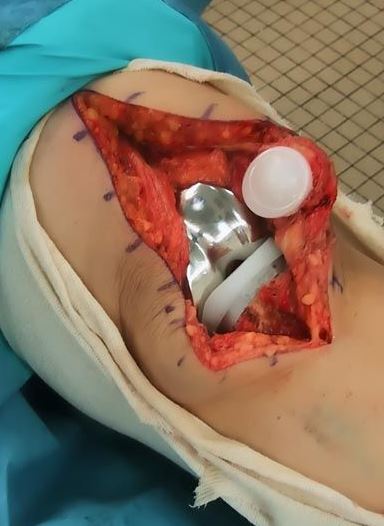
Limb-sparing surgery is a treatment approach that allows people with soft tissue sarcoma in an arm or leg to avoid having the limb removed. Today, thanks to advances in treatment pioneered at MSK and other cancer centers, more than 95 percent of people with soft tissue sarcoma in an arm or leg do not need an amputation.
During a limb-sparing procedure, the surgeon removes the cancerous tissue, cartilage, and bone. Some people need radiation therapy, chemotherapy, or both to shrink the tumor before surgery. One of the advantages of coming to Memorial Sloan Kettering is that our surgeons know who to identify those patients who do not need more treatment other than surgery.
Some people need plastic or reconstructive surgery to repair the area where the tumor was removed. This happens at the same time as the operation to remove the sarcoma.
Plastic or reconstructive surgery helps restore the body’s cosmetic appearance or physical function. It can also be used to replace skin and reconnect nerves and blood vessels so that you can get back to looking — and moving — like your normal self. What surgery you need depends on where in the body the sarcoma is and how much tissue your surgeon has to remove.
At Memorial Sloan Kettering, our plastic and reconstructive surgeons use the most-sophisticated techniques to minimize the side effects of surgery and help speed your recovery.
If the sarcoma returns after your first cancer operation, it may be possible to cure it with another operation. Another option is to combine surgery with chemotherapy and radiation therapy. At Memorial Sloan Kettering, we make these treatment decisions with you. The right treatment depends on the specific circumstances of the disease. Sometimes we recommend surgery for tumors that have spread to other parts of the body (metastatic sarcoma).
If you are unable to have surgery, your doctor may recommend chemotherapy. Another option might be to enroll in a clinical trial that’s testing a new treatment approach for soft tissue sarcoma. There are studies of therapies designed to target genetic mutations that have been discovered in tumors and immunotherapies that can stimulate your immune system to attack cancer.