Arthritis can affect your quality of life, causing deformities, loss of function and debilitating pain. There are various kinds of arthritis, and to receive the proper treatment, you need the right diagnosis. At the Penn Integrated Hand Program, you'll have access to various specialists who understand the development of arthritis and how painful it can be. These specialists are highly experienced in diagnosing and treating all types of arthritis of the hands.
We often take for granted how important our hands are in our daily lives and how they are critical to almost every action we perform. When the pain of arthritis takes over, it can make performing day-to-day tasks unbearable.
Arthritis causes joint pain, swelling, stiffness, limited movement and loss of function. As it progresses, the joints begin to worsen as the cartilage wears down. Arthritis in the joints can also affect the surrounding soft tissue, tendons, ligaments and muscles.
Our specialists at the Penn Integrated Hand Program are dedicated to providing the best possible treatments for arthritis so you no longer have to suffer.
Our surgeons treat the most common types of arthritis of the hand and wrist, osteoarthritis and rheumatoid arthritis, as well as interphalangeal joint arthritis, thumb arthritis and wrist arthritis. If you are diagnosed with rheumatoid arthritis, you will need to be seen by a rheumatologist in addition to our hand and wrist team.
While there is no cure for arthritis, receiving proper early diagnosis is important in creating a treatment plan that can prevent permanent joint damage, reduce pain and improve function.
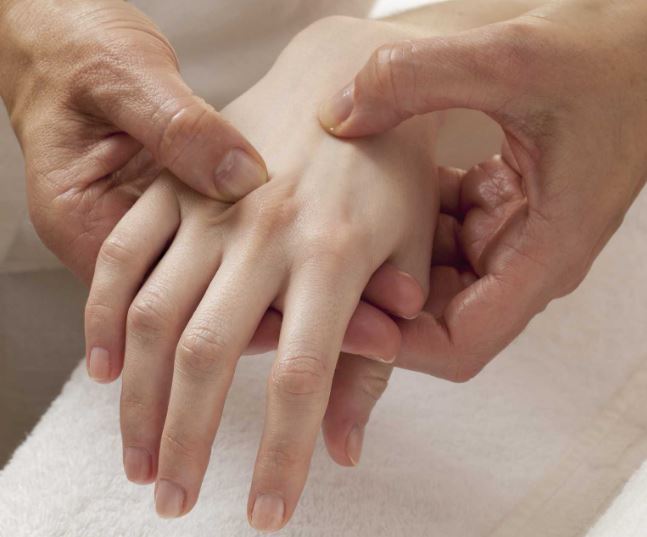
Arthritis is not something you have to live with. Our orthopaedic and plastic surgery hand specialists are highly experienced in treating the full spectrum of arthritic conditions, from mild to the most severe cases. Our goal is to reduce your pain and bring you relief.
Our multispecialty team approach offers you optimal care by orthopaedic experts, plastic surgeons and hand therapists at the Penn Integrated Hand Program. We provide non-surgical treatment options such as bracing, splinting, injections or anti-inflammatory medications to try and subside the pain and swelling.
If surgery is required, we are a leader in arthroscopic surgery, a minimally-invasive technique that uses smaller incisions and offers quicker recovery, as well as fusions and joint replacement.